What’s a fortified or enriched food?
Food fortification is defined as the practice of adding vitamins and minerals to commonly consumed foods during processing to increase their nutritional value. It is a proven, safe and cost-effective strategy for improving diets and for the prevention and control of micronutrient deficiencies. In the past two decades, food fortification has become increasingly popular in Inida for several reasons, including rapid urbanization and increasing household purchasing power, leading to a greater proportion of the population relying on processed foods.
The impact of fortification on nutritional outcomes including reductions in vitamin A deficiency, iodine deficiency, anemia, and iron deficiency among women and children; declines in goiter and neural tube defects (NTDs) among children; and improved serum folate among women of reproductive age 13. However, certain fortification approaches, such as iron fortification of staple foods like flour, provided mixed results.
Advantages Of Food Fortification
Does Not Require Behaviour Change
Provides Nutrition Without Any Change In Characteristics Of Food
Cost-Effective Intervention
Contain Natural
Fortification Matters to the Future
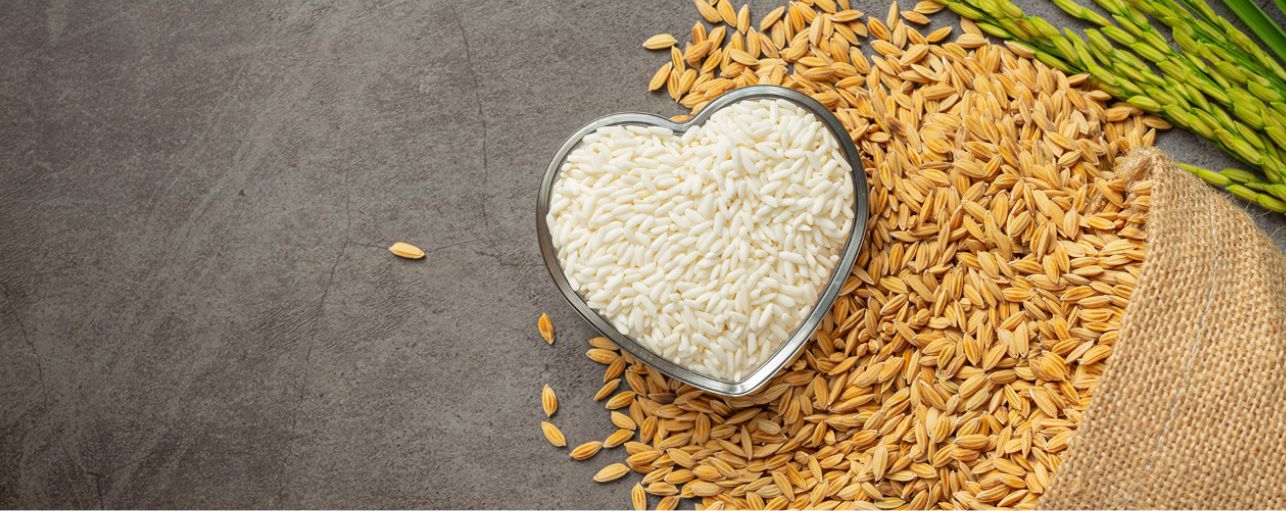
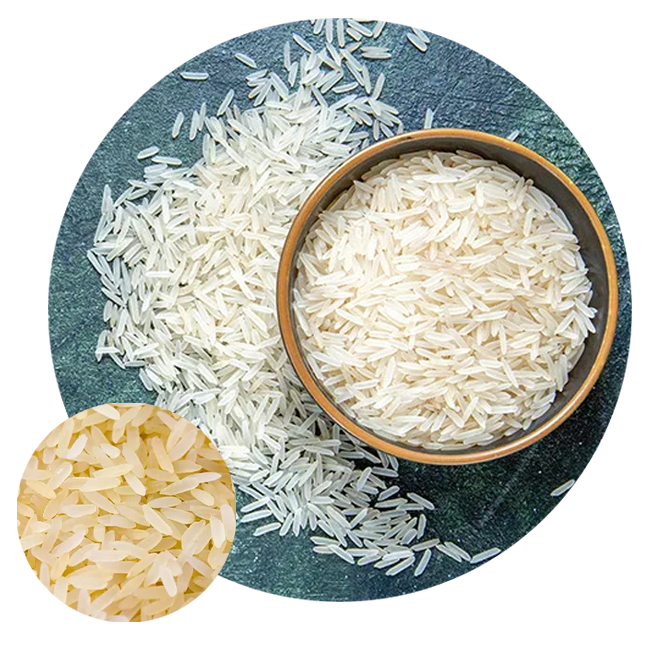
Rice is a rich source of macro and micro nutrients in its un-milled form. But, during rice milling, the fat and micro nutrient rich bran layers are removed to produce the commonly consumed starch-rich white rice. White rice is the number one staple food in rice eating countries of southeast and northeast Asian countries such as India. These are one of the most densely populated regions in the world. Of the world’s rice production, 90% is grown and consumed in Asia. On average, around 30% of the calories of the overall diet of people come from rice. This can even increase to more than 70% in some low-income countries. In most languages of these regions, the words for rice and food are synonymous. It should be noted that rice is also an important staple food in several African countries and the Americas. Hence, rice fortification is an easy and effective way to bring nutrition to the masses
What We’re Offering
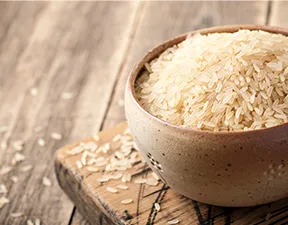
RICE
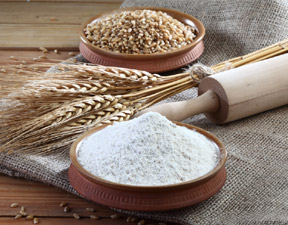
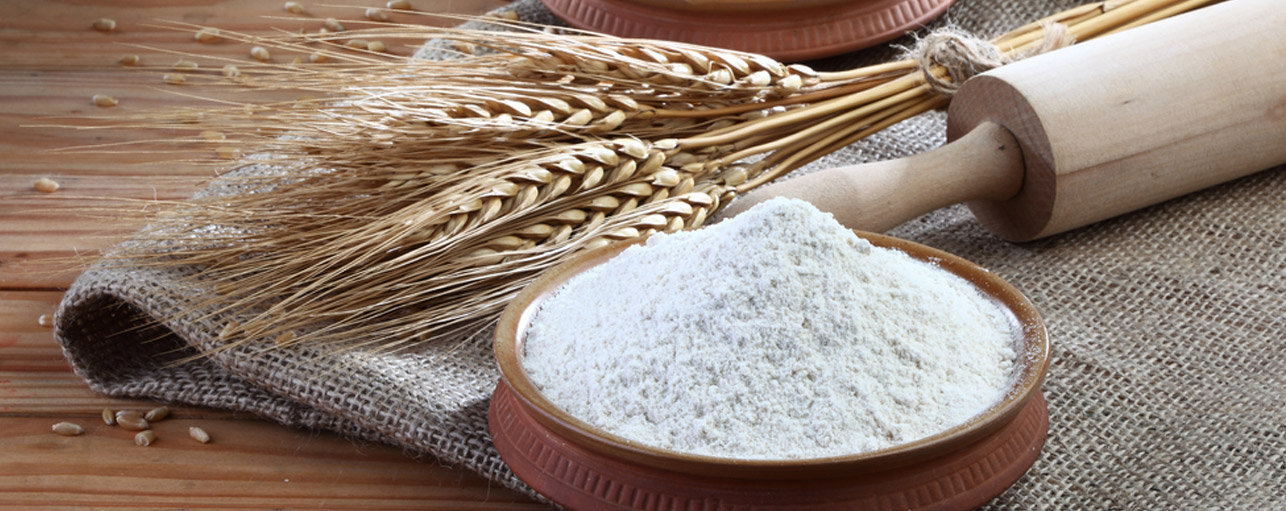
WHEAT FLOUR